From keyword research to 'intent-driven' AI analysis: GEO's new approach
Discover how GEOConsole transforms keyword research with AI-powered intent analysis, surpassing traditional methods to optimize your content in the era of generative search engines.
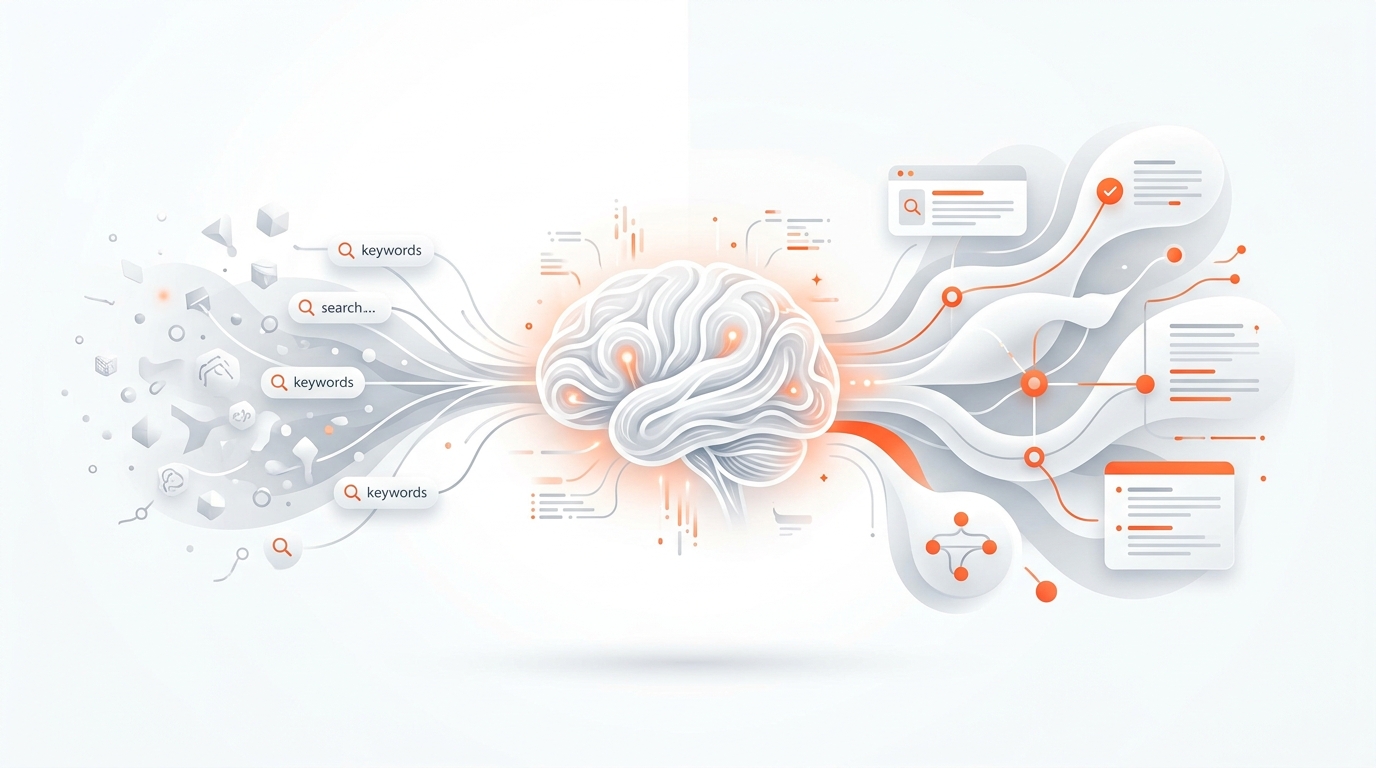
From keyword research to the 'intent-driven' AI analysis: GEO's new approach
Keyword research has evolved beyond merely identifying search terms; now, the key to success in search engine optimization (SEO) and generative search engines (GEO) lies in understanding and satisfying user intent through artificial intelligence (AI) analysis. This advanced approach, pioneered by GEOConsole, allows companies not only to rank on Google but also to be the preferred source for AI-generated answers like ChatGPT or Perplexity, by unraveling the "why" behind each query.
Why is user intent the pillar of modern SEO and GEO?
User intent is the underlying purpose a user has when performing a search. In the current context of search engines, both traditional and generative, understanding this intent is crucial because AI algorithms prioritize content that not only contains the correct keywords but also satisfies the user's real need. Ignoring intent leads to irrelevant content, low click-through rates, and ultimately, poor performance in SERPs and AI responses.
"Generative search engines don't just look for keywords; they look for understanding. They want to offer the most complete and accurate answer to the user's underlying intent. This is where AI in intent research becomes indispensable," states an AI expert from GEOConsole.
How to transform keyword research with AI-powered intent analysis?
The transition from traditional keyword research to AI-powered intent analysis involves a significant methodological shift. At GEOConsole, we have developed a process that integrates the power of AI to uncover the deeper layers of user intent:
-
Identification of Semantics and Entities: Using Natural Language Processing (NLP), GEOConsole's AI not only detects keywords but also identifies entities (people, places, organizations) and related semantic concepts, understanding the context of the search.
-
Intent Classification: Our AI automatically classifies queries into intent categories (informational, transactional, navigational, commercial, etc.), but goes further, identifying sub-intents and the level of depth required to satisfy them.
-
Content Gap Analysis: AI compares existing content with detected intents and competitor content to identify gaps. This allows for the creation of content that not only covers the intent but does so more comprehensively and authoritatively.
-
Prediction of Emerging Topics: By analyzing patterns in large volumes of search data and real-time trends, AI can predict emerging topics and changes in user intent, offering a competitive advantage.
-
Optimization for Snippets and Generative Responses: GEOConsole's AI helps structure content to be easily digestible by generative search engine algorithms, increasing the chances of appearing in featured snippets and being directly cited in AI responses.
Traditional Keyword Research vs. AI-Powered Intent Analysis (GEOConsole)
The following table compares the methodologies to illustrate the superiority of the AI-driven approach:
| Feature | Traditional Keyword Research | AI-Powered Intent Analysis (GEOConsole) |
|---|---|---|
| Main Focus | Search volume, difficulty, keyword relevance | User purpose, semantic context, underlying needs |
| Tools | Google Keyword Planner, Ahrefs, SEMrush | AI platforms with advanced NLP, Machine Learning, Data Mining |
| Results | Keyword lists, basic metrics | User intent profiles, key topics, content gaps, ideal response structure |
| Optimization for | Traditional SERPs, organic rankings | Traditional SERPs, Featured Snippets, AI Responses (ChatGPT, Perplexity), Knowledge Panels |
| Competitive Advantage | Identification of keyword opportunities | Understanding and mastering query context, being an authoritative source for AI |
| Time/Effort | Manual, repetitive for context analysis | Automated, scalable, deep and actionable insights |
What are the common mistakes when ignoring user intent in SEO/GEO strategy?
Ignoring user intent, even with solid keyword research, can lead to a series of problems that undermine digital performance:
-
Irrelevant content: Publishing articles that contain the correct keywords but do not address the user's actual question or need. This results in high bounce rates and low session duration.
-
Low conversion: If the content does not satisfy transactional or commercial intent, users will not advance through the sales funnel, even if they reach your site.
-
Loss of SERP visibility: Google and other search engines penalize content that does not satisfy intent, relegating it to lower positions.
-
Invisibility to generative AI: AI models will not cite or use your content if it does not provide a clear and concise answer to the underlying intent of the query.
-
Waste of resources: Investing time and money in creating content that does not resonate with the target audience is inefficient and costly.
Implementing an intent-driven approach is not just an improvement; it is a strategic necessity for any company looking to thrive in today's digital landscape.
Conclusion
The era of keyword research based solely on volume and difficulty is over. The future of SEO and GEO lies in the ability to understand and satisfy user intent at a granular level, driven by artificial intelligence. GEOConsole offers the tools and methodology for your business to not only compete but dominate this new paradigm, ensuring that your content not only ranks high but also becomes the reference source for generative search engines.
Are you ready to transform your digital strategy and be the authority that AI seeks? Try GEOConsole today and discover the power of AI-powered intent analysis.